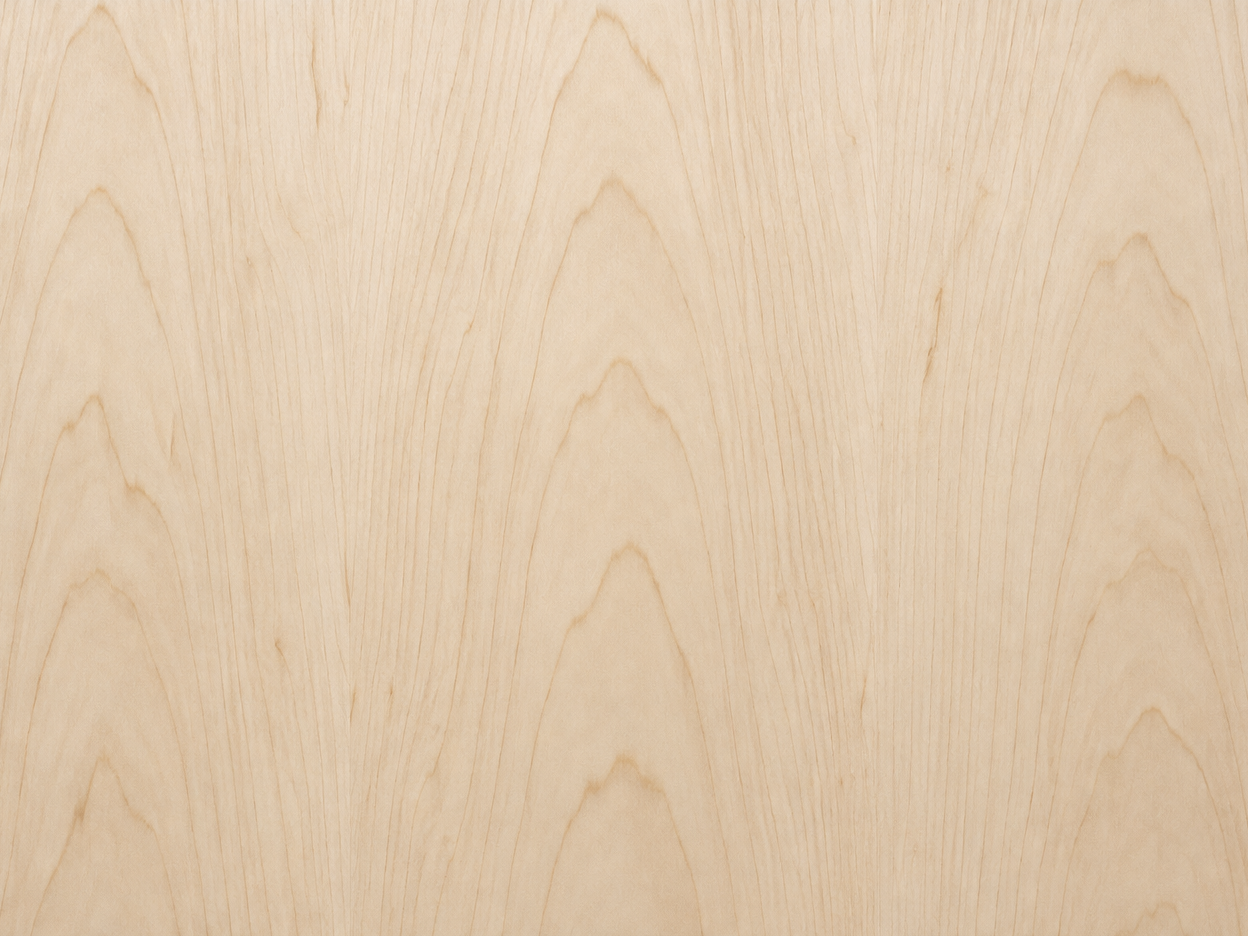
Plain Sliced (Default)
Default standard for contemporary and light-toned interiors. Combines cathedral and straighter grain with mild figure at the most economical cost.
Wood Veneer | Species Overview
White maple offers a quiet, refined wood appearance with a fine, smooth texture and generally linear grain — specified where a light, restrained palette is the design intent.
White maple is a light-colored, fine-textured veneer with a quiet, refined appearance. It ranges from white to light golden or reddish-brown and is commonly produced from sapwood. Its smooth, closed-pore surface and generally linear grain make it well suited to contemporary, modern, minimalist, and light-toned interiors.
Sapwood-dominant veneer; grain and tone are generally more consistent leaf-to-leaf than natural maple. It provides a restrained wood character rather than a strongly textured one.
Default cut
Default match
Pore structure
Relative cost
Texture | Fine, smooth |
Color range | White and cream to light golden |
Cuts available | Plain Sliced (default), Rotary, Quarter Sliced |
Relative cost | Economical range |
Watch for | Mineral streaks, blotching with dark stains |
Sapwood-sourced — a lighter, more consistent base
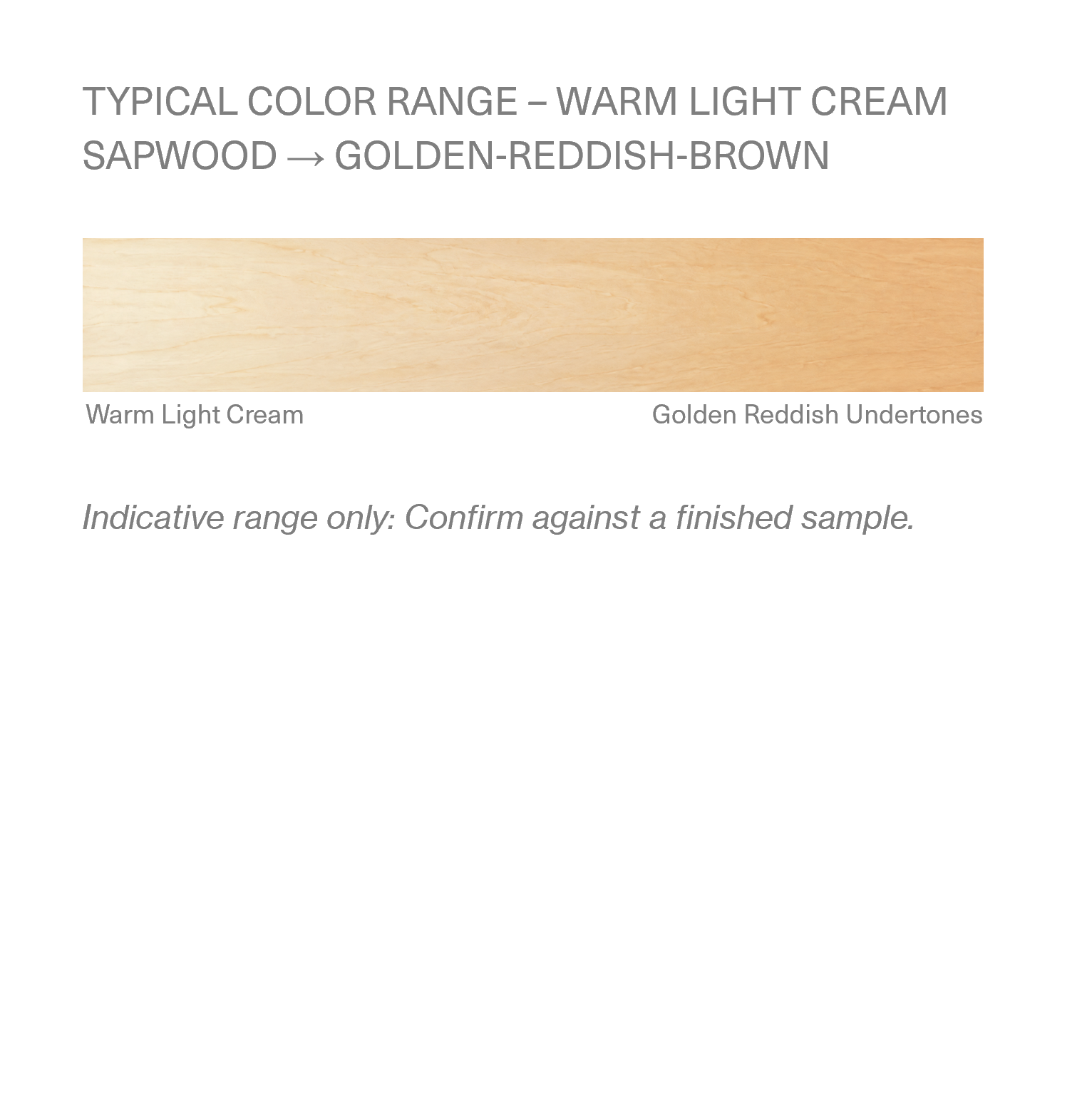
White maple ranges from white to light golden, with occasional subtle cream or reddish undertones. Sourced from sapwood, it provides a lighter and more consistent base than natural maple. Tonal variation is generally mild, though mineral streaks and subtle grain color shifts may be present.
⚠ SPECIFICATION NOTE
Light maple does not guarantee a completely uniform face. Natural mineral streaks and tonal shifts may be more visible with clear or light finishes. Evaluate on a finished 8"x10" sample
Fine and smooth, with quiet, generally linear grain
White maple has a fine, smooth texture with a generally linear grain. Plain sliced faces can introduce mild cathedral figure, while overall grain movement is quieter than many other species. The closed-pore surface reads as smooth and refined under most finish systems.
Adjacent leaves are mirrored in book matching. Where grain figure alternates between leaves, a subtle barber-pole effect may appear as a natural characteristic of the match.
⚠ SPECIFICATION NOTE | STAIN ABSORPTION
Maple's closed-grain structure can absorb stain unevenly. Figure and grain density variation can create blotching or light/dark patches, particularly with medium-to-dark stains. Evaluate on a finished 8"x10" sample—not a small 2"x4" sample.
For a broader color range that includes heartwood, see the Natural Maple Spec Brief. White maple is the sapwood-only specification; natural maple includes both sapwood and heartwood.
Default standard for contemporary and light-toned interiors. Combines cathedral and straighter grain with mild figure at the most economical cost.
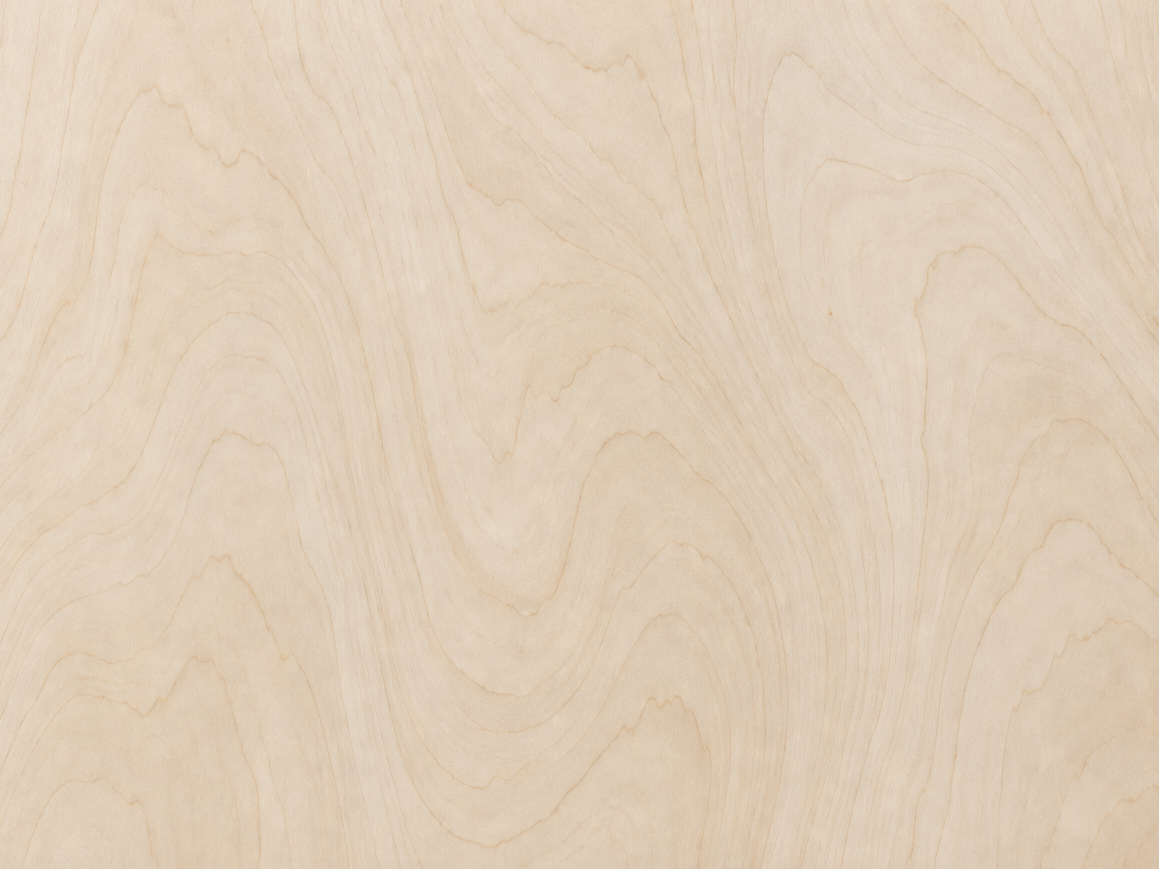
Cost-effective option with broad, bold, random grain. Specified where a more varied, less linear appearance is desired; confirm availability.
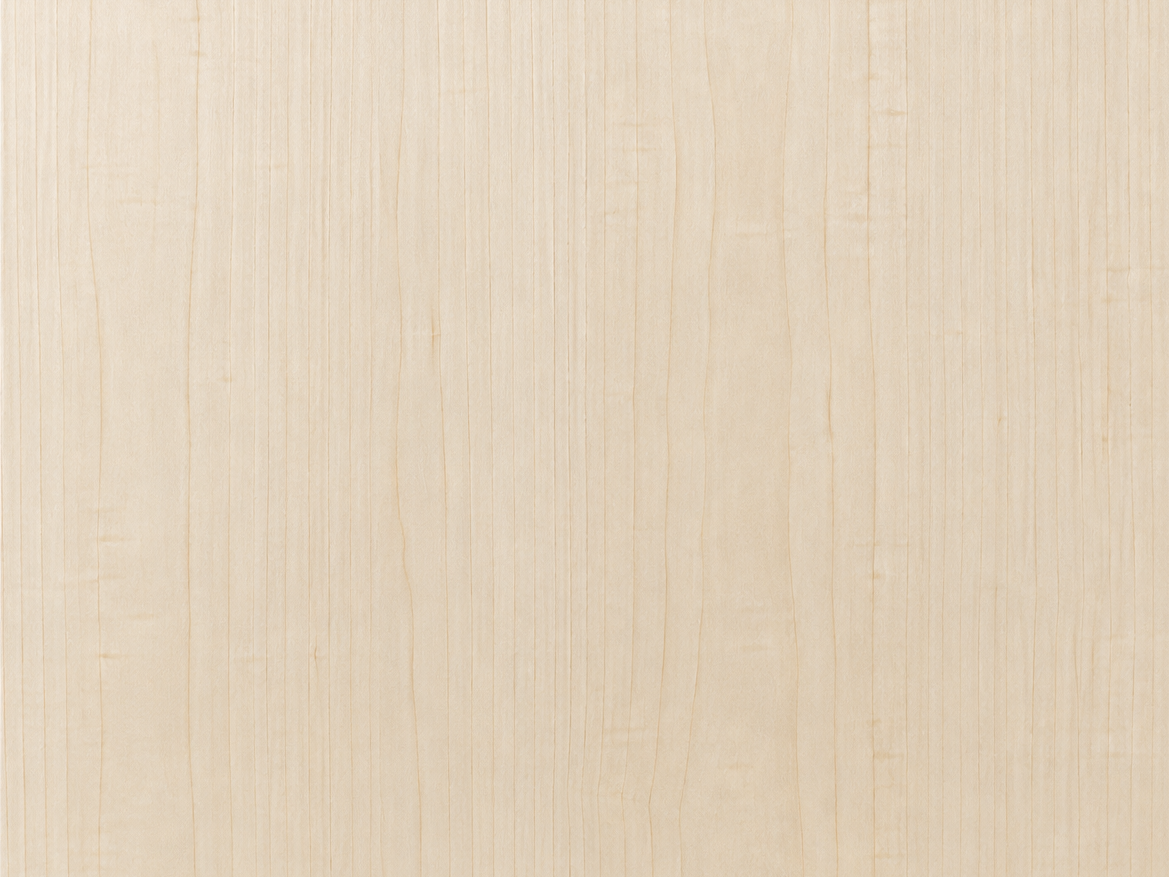
Available on request for straighter, more linear grain with minimal figure. Lower yield, so confirm with the manufacturer early during design.
These are inherent to the species. Their acceptance is governed by the applicable WDMA face-grade table together with the project's approved visual standard.
CHARACTERISTIC | APPEARANCE | GRADE CONSIDERATION |
|---|---|---|
Color Variation | Mild tonal shifts across face or between leaves | Allowable by grade; define acceptable color range explicitly |
Color Streaks | Subtle linear color changes in the grain direction | Allowable by grade |
Mineral Streaks | Darker lines or marks from natural mineral uptake—particularly noted for maple by WDMA | Allowable by grade; may be more visible with clear or light finishes |
Worm Tracks | Fine, wavy dark lines | Allowable by grade; may be limited at AA grade |
Figure | Irregular grain movement; may appear in plain sliced and rotary cuts | Not grade-controlled; can contribute to blotching with stain |
Cross Bars | Faint horizontal bands crossing grain direction | Natural characteristic; cannot be fully eliminated |
Barber-Pole Effect | Alternating light/dark leaves in book match | Result of book matching; not a fabrication defect |
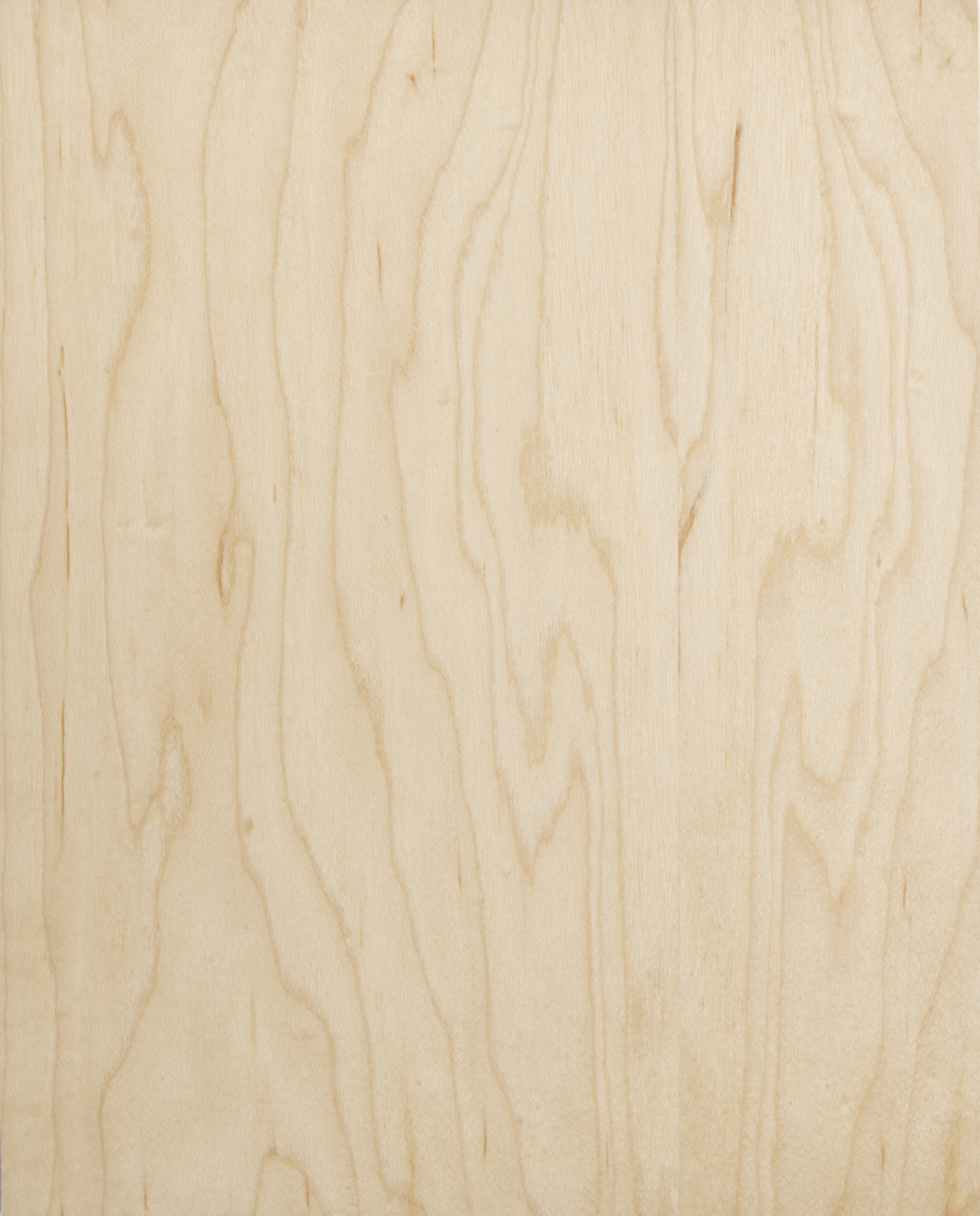
Lowest risk. Preserves white maple’s natural light character, with grain, figure, and mineral streaks fully visible.
Lowest risk – Best choice for a light appearance.
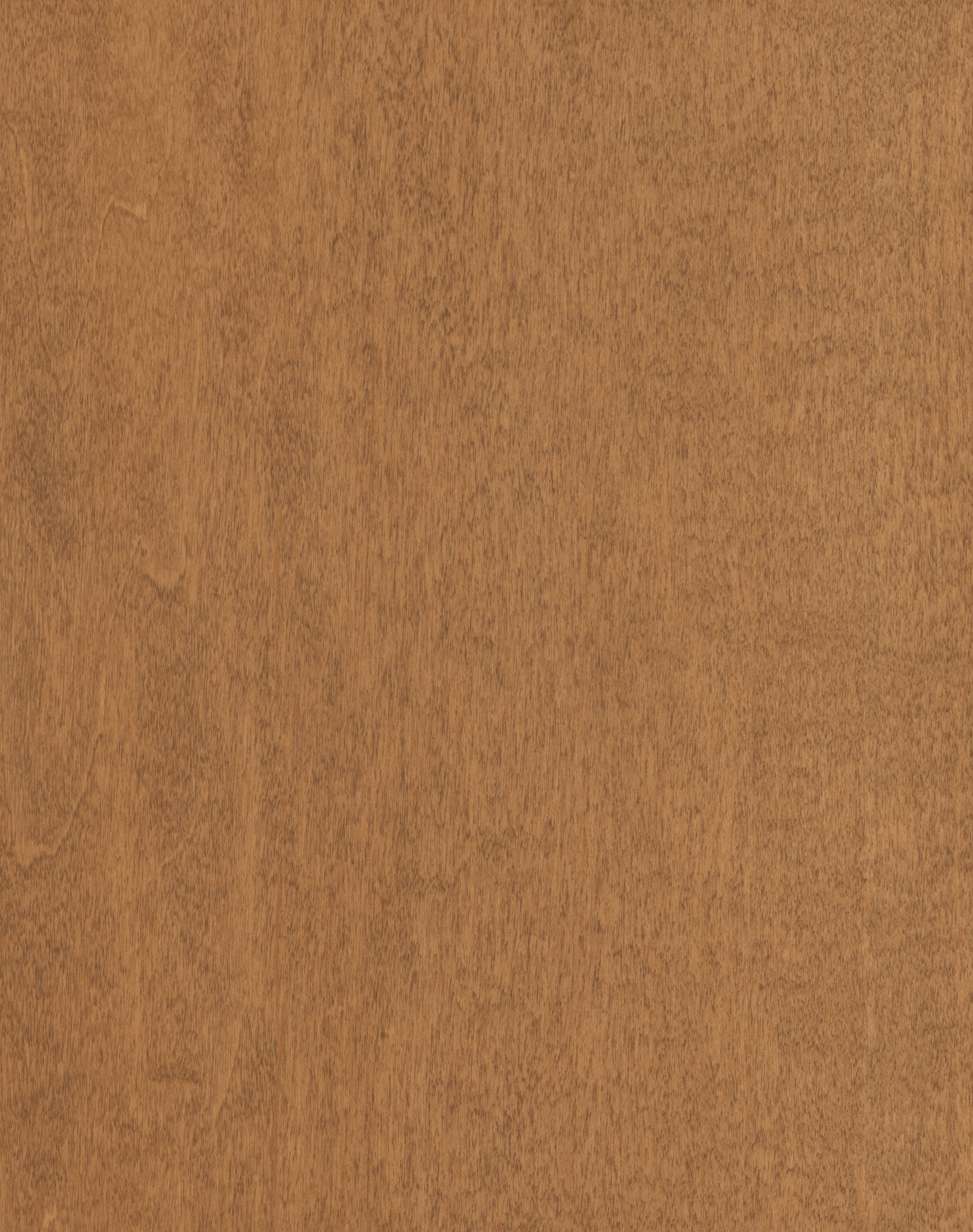
Moderate risk. Maple’s closed-grain structure can absorb unevenly, making blotching or light/dark variation more likely.
Moderate risk – Sample approval required.
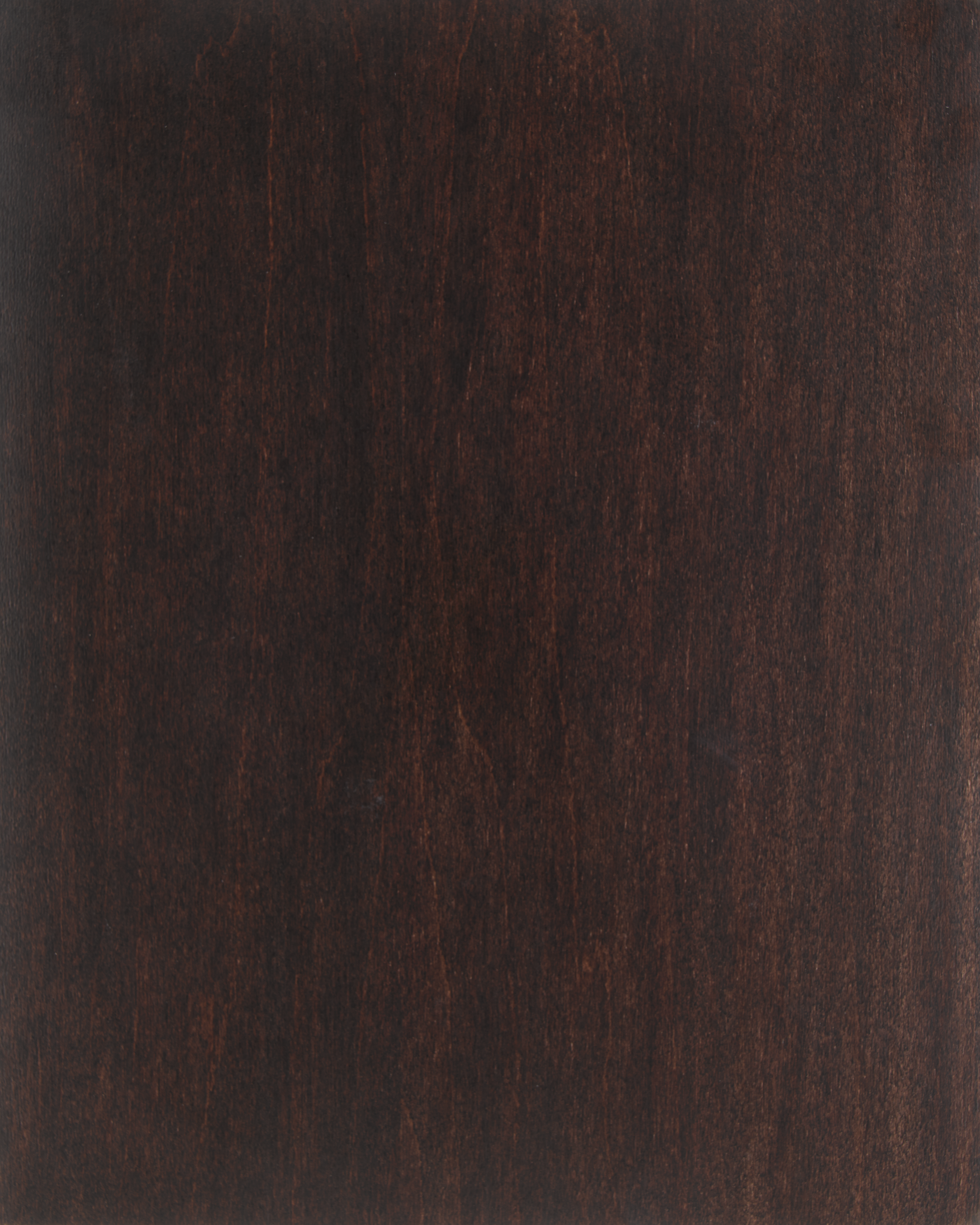
Highest blotching risk, and it may conflict with the reason a naturally light species was specified. Validate with a finished sample.
Highest blotching risk – Confirm species suitability.
01
White maple’s light base color can make mineral streaks, tonal shifts, and grain variation more visible—not less. Even at AA grade, natural characteristics will be present and may be more apparent with clear or light finishes.
Recommended response
Define acceptable mineral streaking and color range explicitly in the project specification. Specify white/select maple where a sapwood-based lighter appearance is required. Approve a finished 8"x10" sample for visually sensitive applications.
02
Maple’s fine, closed-pore surface can absorb stain unevenly—producing blotching, lighter patches, or localized darker areas. Figure and grain density variation amplify this effect, particularly with medium and dark stain colors.
Recommended response
Evaluate all stain options on a finished 8"x10" sample—not a small 2"×4" sample. Medium-to-dark stains should be qualified as higher risk and validated with samples on the specified species before finalizing the finish.
03
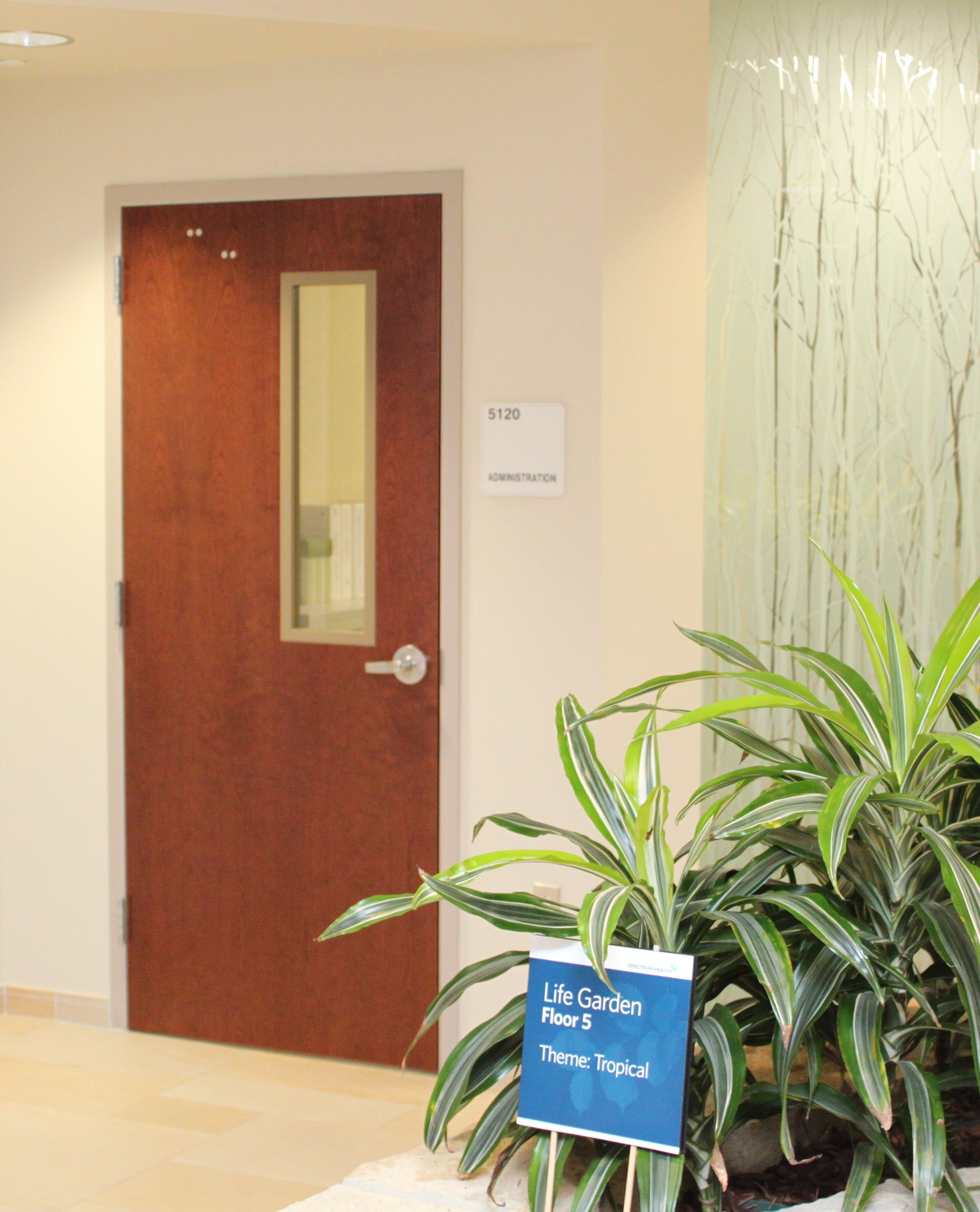
White maple is commonly specified for its naturally light, refined character. Applying a dark stain can mask that character and introduce blotching risk—and may suggest another species is better suited to the finish direction.
Recommended response
Use clear or lighter finishes where preserving white maple’s natural light appearance is the priority. If a medium-to-dark finish is required, evaluate whether natural birch, cherry, or another species with a more compatible natural color range may be more appropriate for the application.